

Ancient civilizations, such as the Egyptians and Greeks, were among the first to introduce rudimentary forms of chandeliers. Initially, these early versions consisted of wooden crossbars affixed with metal spikes to hold candles. These rudimentary structures served a dual purpose: providing light and acting as decorative elements in grand halls and sacred spaces.
As time progressed, chandeliers evolved alongside advancements in materials and craftsmanship. The Middle Ages witnessed the transformation of chandeliers from simple functional fixtures to ornate symbols of wealth and prestige. With the introduction of metalworking techniques, intricate designs adorned with precious metals, such as bronze and silver, became prevalent.
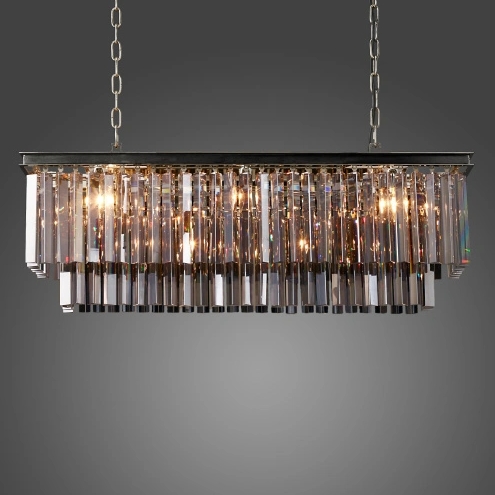
In the 18th century, the advent of the Industrial Revolution brought forth innovative manufacturing processes and the use of glassmaking techniques. This led to the production of more affordable glass crystals, making chandeliers accessible to a wider audience. Chandeliers became a symbol of luxury and elegance, adorning the palaces and mansions of the wealthy elite.
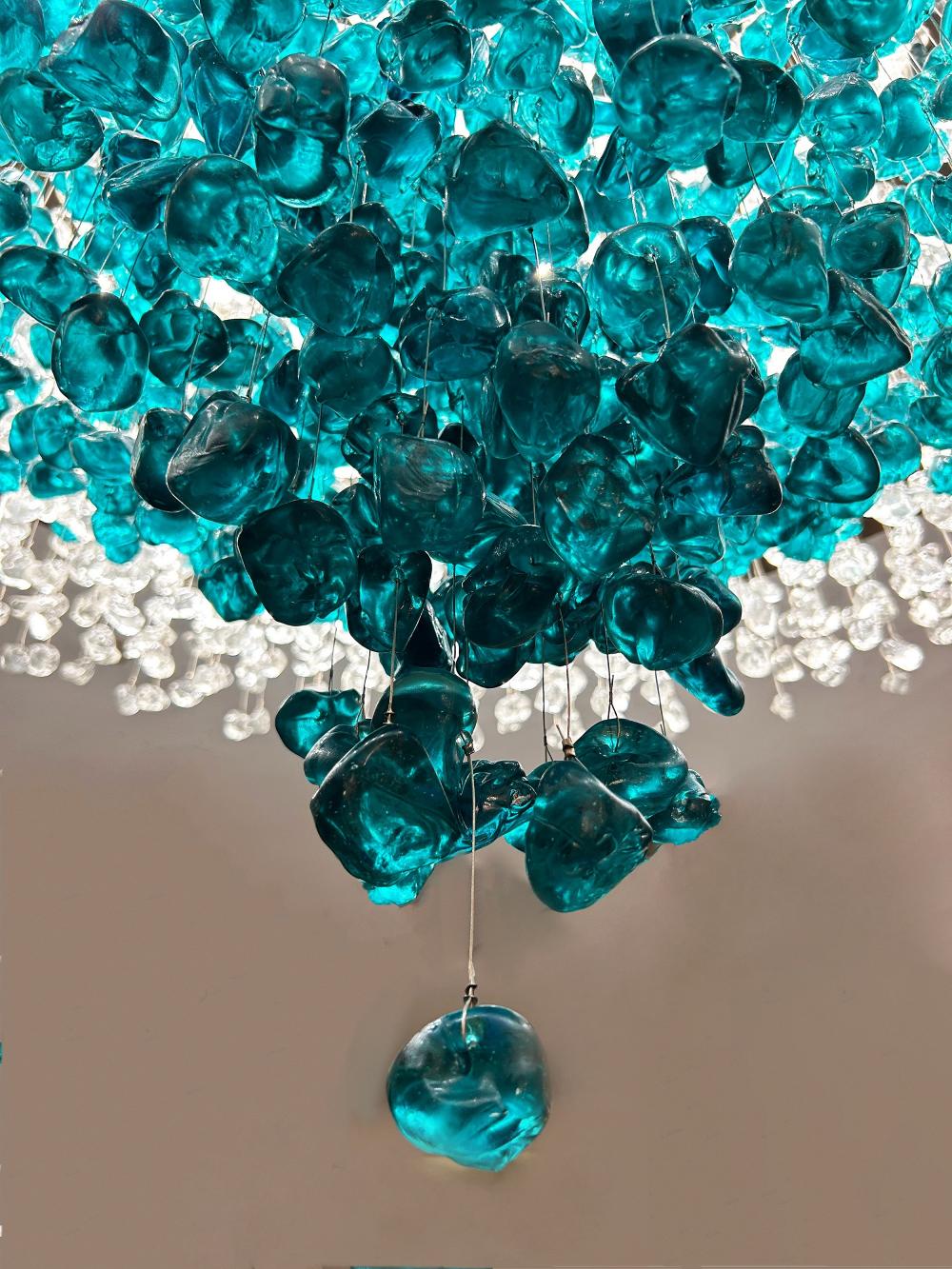
Fast forward to the present day, and chandeliers have undergone a remarkable transformation. With the fusion of traditional craftsmanship and contemporary design, chandeliers now come in various styles to suit diverse interior aesthetics. From minimalist and modern designs to intricate and vintage-inspired masterpieces, chandeliers continue to captivate and illuminate spaces with their unmatched charm.
Today, chandeliers are not limited to palaces and stately homes. They have found their way into residential spaces, hotels, restaurants, and even public venues, bringing a touch of sophistication and glamour wherever they hang.
As we bask in the radiant glow of these magnificent fixtures, let us remember the centuries of craftsmanship, innovation, and artistic expression that have shaped the chandelier into the captivating symbol of beauty and grandeur it is today.